RUINS ALONE JAZZ CORE / EXPERIMENTAL
Live
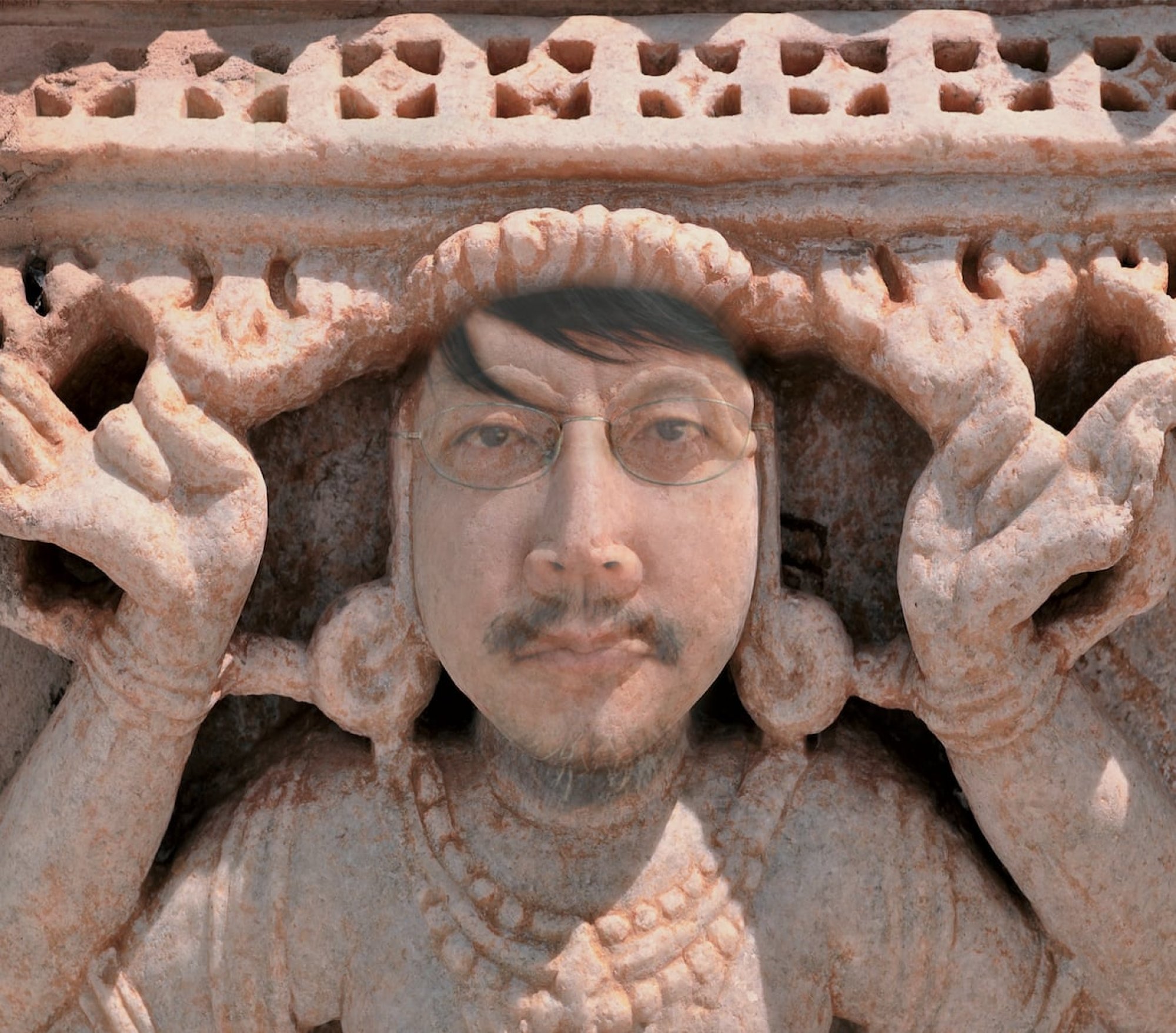
RUINS alone (Yoshida Tatsuya solo) Yoshida is one of the most innovative drummer/composer/improviser in Japan's new music scene. pioneer of Drum & Bass duo RUINS was founded by Yoshida in '85 . Tunes are complicated and mysterious, and songs are sung in the language of their own invention. Its high-tension, wild, heavy, speedy, acute, and powerful tremendous ensemble never sounds like they are only two players. "RUINS alone" is a progressive hardcore one-man orchestra in which Yoshida reconstructs the songs of Ruins using a sampler.
EVENTS :
FRIDAY 11.11.2005
Akaten (JP) + Seikazoku (JP) + Shrinp Wark (JP) + Zoffy (JP) + Zubi Zuva X (JP) + Ruins Alone (JP) + Acid Mothers Temple SWR (JP)
WEDNESDAY 23.04.2008
JAPANESE NEW MUSIC FESTIVAL 2008
Acid Mothers Temple SWR (JP) + Ruins Alone (JP) + Akaten (JP) + Zubi Zuva X (JP) + Zoffy (JP) + Tsuyama Atsushi (JP) + Kawabata Makoto (JP)
THURSDAY 01.04.2010
JAZZ CORE / EXPERIMENTAL / NOISE
Sax Ruins (JP) + Ruins Alone (JP) + L'Oeillère (BE/FR)
FRIDAY 12.11.2010
JAPANESE NEW MUSIC FESTIVAL
Tsuyama Atsushi (JP) + Kawabata Makoto (JP) + Ruins Alone (JP) + Zubi Zuva X (JP) + Akaten (JP) + Zoffy (JP) + Acid Mothers Temple SWR (JP)
MONDAY 19.09.2011
UNE CURIEUSE SOIREE DE MADAMEMACARIO
JAZZ / EXPERIMENTAL / NOISE
Sax Ruins (JP) + Ruins Alone (JP) + Ono Solo (JP) + Dispo (IT) + L'Oeillère (BE)
THURSDAY 01.12.2011
AVANT-GARDE / METAL / EXPERIMENTAL
Vampillia (feat T.Yoshida of Ruins) (JP) + Ruins Alone (JP) + Talow The Tornado (JP)
THURSDAY 19.09.2013
JAZZ / ROCK
Korekyojinn (JP) + Ruins Alone (JP)
TUESDAY 26.11.2013
THE "FAIRY TALES FROM YAWIQUO" CURIOUS NIGHT FEVER
PUNK / JAZZ / AVANT-GARDE
Uz Jsme Doma (CZ) + Sax Ruins (JP) + Ono Ryoko (JP) + L'Oeillère (BE) + Ruins Alone (JP)
TUESDAY 14.10.2014
20 YEARS OF MAGASIN4 - JAPANESE NEW MUSIC FESTIVAL
EXPERIMENTAL
Ruins Alone (JP) + Tsuyama Atsushi solo (JP) + Kawabata Makoto solo (JP) + Zoffy (JP) + Akaten (JP) + Zubi Zuva X (JP) + Psyche Bugyo (Tsuyama's psychedelic judgement) (JP) + Acid Mothers Temple SWR (JP)
FRIDAY 26.05.2017
JAPANESE NEW MUSIC FESTIVAL
EXPERIMENTAL
Ruins Alone (JP) + Tsuyama Atsushi solo (JP) + Kawabata Makoto solo (JP) + Psyche Bugyo (Tsuyama's psychedelic judgement) (JP) + Zoffy (JP) + Akaten (JP) + Zubi Zuva X (JP) + Acid Mothers Temple SWR (JP)
SUNDAY 12.11.2017
LES NUITS PLASMA
NOISE / EXPERIMENTAL
Vampillia (JP) + Ruins Alone (JP) + V.m.o. (JP) + Maxime Petit (FR/BE)
SATURDAY 21.02.2026
EXPERIMENTAL / JAZZCORE
Liberski/Yoshida Duo (BE/JP) + Ruins Alone (JP) + Super Gum (BE)