
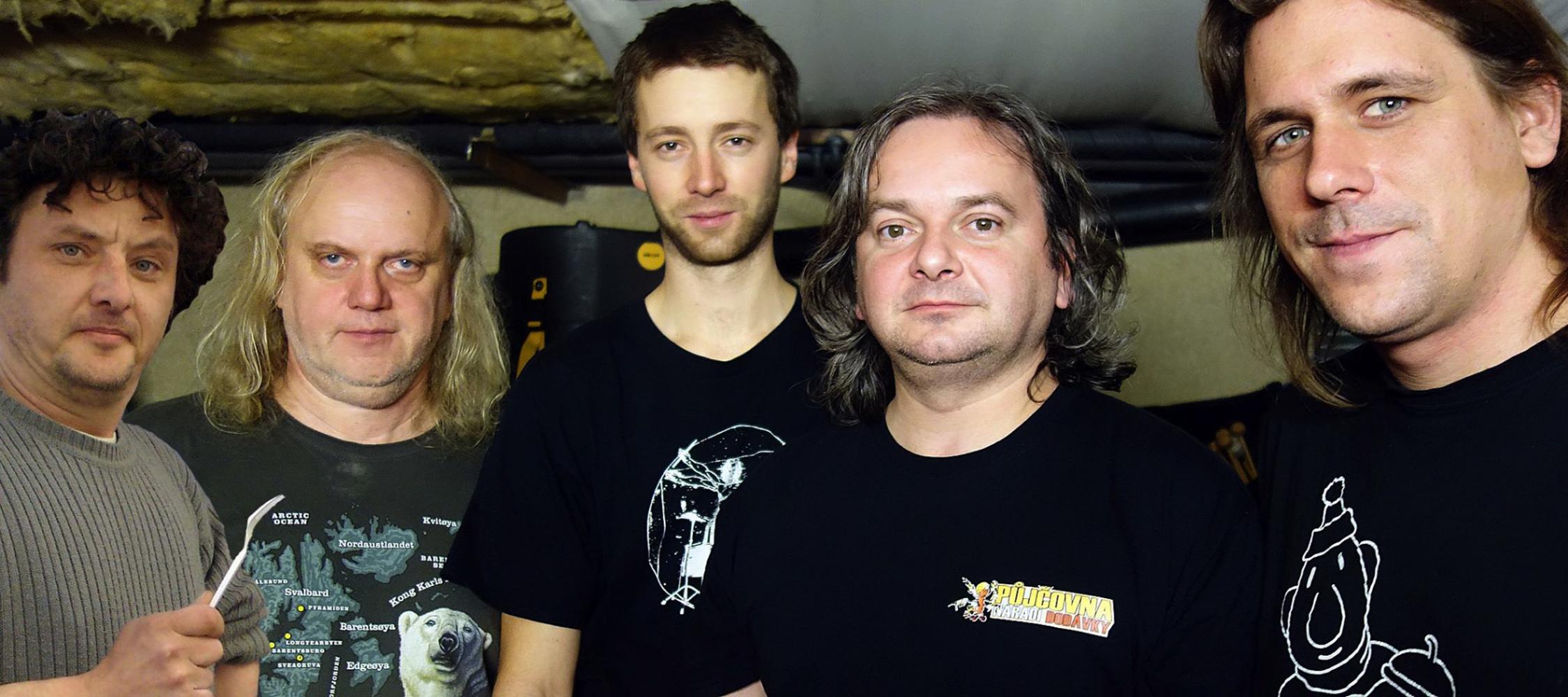
The band has, to date, released seven proper studio albums, two live albums, a best-of packages and a DVD containing live footage and a documentary about the history of the band, which discusses its artistic significance and chronicals its dozens of lineup changes in its 31+ year career.
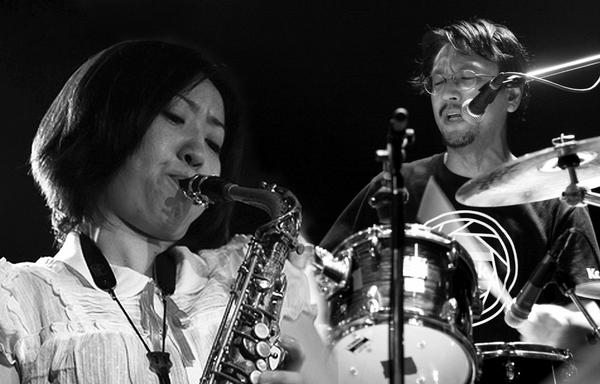
Formed by Tatsuya Yoshida (drums) and Ono Ryoko (alto Sax) to perform RUINS's songs in 2006, the duo has only done a few live shows until now. As Sax Ruins, they have restructured the orchestration of Ruins with the involvement of the saxophone with the result sounding like a big band playing progressive Jazz Core.
ONO RYOKO is actively working as an improvisational musician in Nagoya, Japan. She also plays in jazz, rock, funk, rhythm & blues and hip hop bands, as well as working as a studio musician. In 2007, she formed her own band, "Ryorchestra." Ono has created her own musical language, "Language R," to compose and write lyrics. Some tracks have dramatic movements like progressive rock, and some have clear classical influences. Lately, she uses "non-breath" circulation technique and multi-phonics to explore and pursue endless, rich and complex sounds.
TATSUYA YOSHIDA is one of the most innovative drummer/composer/improviser in the Japanese avant-garde music scene. Yoshida is the founder and drummer of Ruins. Yoshida crafts a new, complex and concentrated style, incorporating the expressiveness of prog rock, the freedom of jazz and the energy of punk with Sax Ruins. This group's unique basic instrumentation of drums and bass was no less than a palace revolt against the established role of the rhythm section. As if setting the basement servant headquarters aflame and then tromping upstairs to take control of the house, the two musicians let their amazingly intricate rhythmic patterns become the music -- not that "rhythmic patterns" is much of a description of what most of it sounds like, kind of like calling the Thames River "water." He also plays in numerous groups; he needs to, to sustain sufficient space for his overflowing creativity. Yoshida has worked with many musicians such as John Zorn, Derek Bailey, Bill Laswell, Keiji Haino, Otomo Yoshihide etc. and has been released more than 100 CDs.
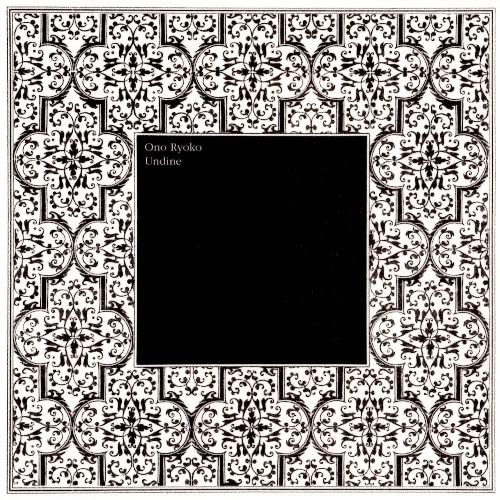
Ryoko ONO, born in Sapporo (currently playing mainly in Nagoya), is one of active Japanese female saxophone / flute players. Already renowned as a collaborator with Sax Ruins, Psyche Bugyo, or Acid Mothers Temple & The Melting Paraiso U.F.O., whilst recording material for some demo CD-Rs. In May 2012, Ryoko has released her solo debut work "Undine" via an independent label Doubt Music at last.

"A l'initiative de ce groupe; une seule personne : Nicolas Gardrat . Avec sa seule guitare il remplit l'espace avec une facilité déconcertante, et sans grand solo masturbatoire...
Il mélange accords et rythmes traditionnels avec une aisance remarquable et même si techniquement il n'y a rien à dire, cela reste accessible à tous : les oreilles entraînées apprécierons tout autant que les novices.
La guitare lance la mélodie et le rythme; puis il déstructure, et réassemble, réinterprète, ralentit, réaccelère; aux tempètes se succèdent accalmie et ouragan furtif en suivant... L'imagination part dans tout les sens, j'ai vraiment l'impression que la guitare parle, elle raconte réellement une histoire à chaque fois pleine de rebondissement et de moments inattendus, de suspens, de course folles, d'abattement, de repos... On a pas le temps de dormir et l'on est toujours surpris car les parties sont assez imprévisibles."
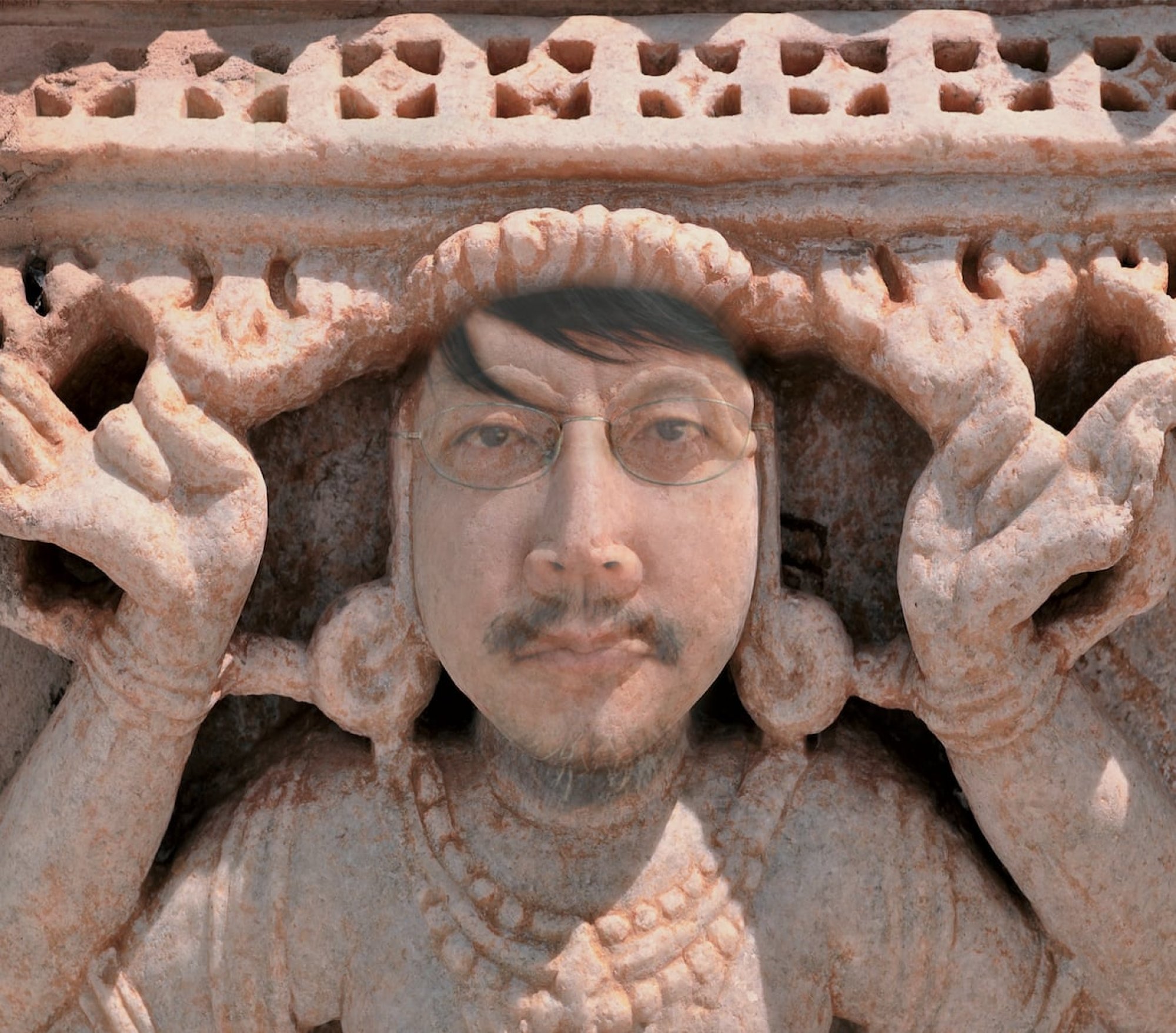
RUINS alone (Yoshida Tatsuya solo) Yoshida is one of the most innovative drummer/composer/improviser in Japan's new music scene. pioneer of Drum & Bass duo RUINS was founded by Yoshida in '85 . Tunes are complicated and mysterious, and songs are sung in the language of their own invention. Its high-tension, wild, heavy, speedy, acute, and powerful tremendous ensemble never sounds like they are only two players. "RUINS alone" is a progressive hardcore one-man orchestra in which Yoshida reconstructs the songs of Ruins using a sampler.